Media and Camera Presentation Skills Training Course in Manila
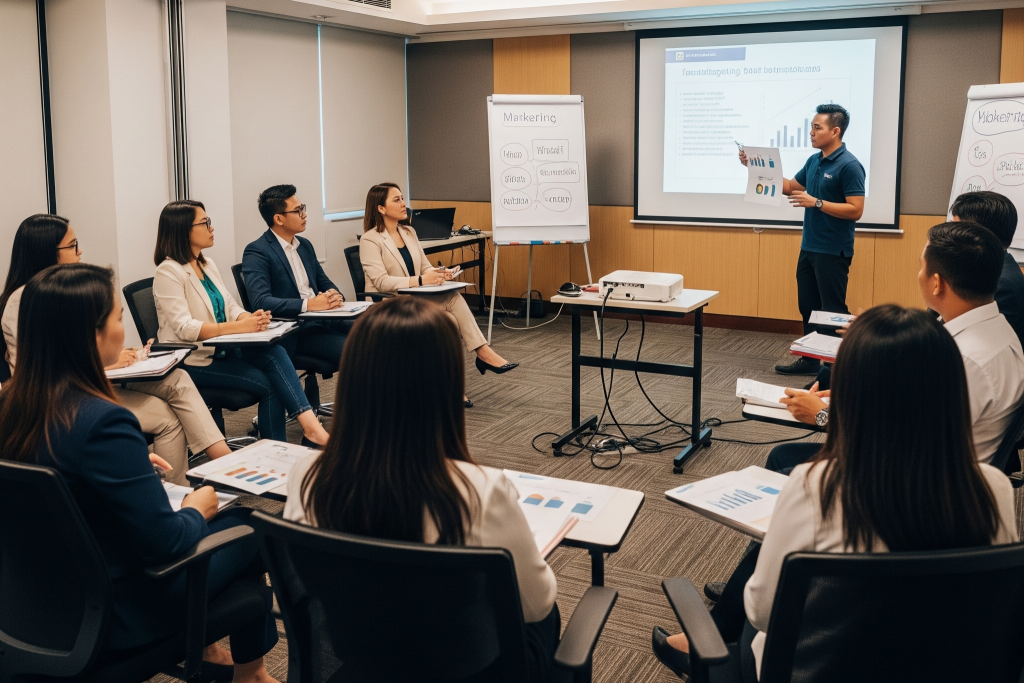
In a media-driven world, knowing how to present yourself confidently and clearly on camera is a vital skill—whether you’re representing a brand, delivering a message, or facing a media interview. Speaking in front of a camera requires a specific approach that blends professionalism, presence, and authenticity. The “Media and Camera Presentation Skills” training course in Manila is designed to equip professionals with the tools they need to perform effectively in front of the lens.
This course covers key techniques such as maintaining eye contact with the camera, controlling voice and facial expressions, staying on message during interviews, and using body language naturally on screen. Participants also learn how to prepare for live or recorded interviews, handle tough questions, and avoid common on-camera mistakes. With personalized coaching and video feedback, the training helps individuals gain comfort and confidence in any media setting.
Perfect for company spokespersons, executives, public officials, content creators, and anyone representing an organization or personal brand, this Manila-based course provides real-world practice in media environments. Whether for TV, online broadcasts, livestreams, or social media content, participants learn how to present with clarity, composure, and impact.
Module 1: Mastering the Media Mindset
- Understanding the media’s role in public communication
- Preparing for the media: Mindset shifts and key principles
- Developing a compelling media personality and brand
- Managing media pressure and expectations
Module 2: Camera Presence and On-Screen Charisma
- How to create a magnetic presence on camera
- Eye contact, posture, and body language tips
- Breathing and voice modulation for clarity and confidence
- Strategies for controlling nervous energy and presenting naturally
Module 3: Crafting Your Message for the Camera
- The art of concise and impactful messaging
- How to structure your message for the camera
- Adjusting your delivery based on the media format (live, recorded, etc.)
- The importance of authenticity: Being genuine on screen
Module 4: Non-Verbal Communication and Body Language
- Using gestures and facial expressions to enhance your message
- The significance of posture and hand movements
- How to avoid distracting body language on camera
- Mastering the “speak with your eyes” technique
Module 5: Voice Control: Tone, Pace, and Pitch
- Managing your tone for emphasis and engagement
- Pacing your delivery for clarity and impact
- How to use pauses effectively for dramatic effect
- Vocal warm-ups and exercises for on-camera confidence
Module 6: Handling Interviews: Questions and Answers
- Preparing for common interview questions and challenges
- Staying composed and confident under pressure
- How to steer the conversation back to your key message
- Techniques for handling difficult, aggressive, or off-topic questions
Module 7: Navigating Crisis Communication on Camera
- How to remain calm and composed during media crises
- The importance of body language and facial expressions during tough conversations
- How to deliver difficult messages with clarity and empathy
- Building trust and credibility during challenging situations
Module 8: Engaging Your Audience: From TV to Webinars
- How to engage and maintain attention in a televised format
- Mastering the art of storytelling on camera
- Interactive techniques for online broadcasts and webinars
- Reading the room: Adapting to the virtual audience’s energy
Module 9: Dressing for Success: Appearance and Presentation
- Best practices for on-camera wardrobe choices
- Avoiding common fashion mistakes that distract from your message
- The role of color, pattern, and accessories in media appearances
- Grooming tips for a polished, professional look
Module 10: Creating Impactful On-Camera Demos and Product Presentations
- How to present products and services effectively on camera
- Crafting a compelling demonstration script
- The do’s and don’ts of product showcasing on screen
- Using props and visuals to enhance product presentations
Module 11: Preparing for Live Broadcasts and Public Appearances
- How to prepare mentally and physically for live media events
- Dealing with unexpected disruptions and technical glitches
- The psychology of live audiences and how to connect
- How to stay focused and maintain composure on live broadcasts
Module 12: Managing Media Relationships
- Building positive relationships with journalists and media outlets
- Techniques for creating opportunities for media appearances
- How to pitch yourself and your message to the media
- Navigating media follow-up and maintaining rapport with reporters
Module 13: Post-Presentation Review and Feedback
- Analyzing your performance with video feedback
- Identifying areas for improvement: Voice, body language, and message delivery
- Working with mentors or media professionals for targeted feedback
- Setting personal goals for continuous media and camera presence improvement
Module 14: Advanced Techniques for High-Profile Media Engagement
- How to handle high-pressure media moments (e.g., breaking news, public events)
- Managing multiple cameras, microphones, and angles during shoots
- Speaking for long durations without losing energy or focus
- Advanced techniques for television, radio, and podcasting appearances
Module 15: Social Media and Personal Branding on Camera
- How to use video content to build your personal brand
- Engaging your audience on social media platforms like YouTube, Instagram, and LinkedIn
- Best practices for creating short-form, shareable media content
- Leveraging online video to communicate effectively with followers
Module 16: Continuous Improvement and Mastery
- Creating a practice regimen to continuously improve on-camera skills
- How to seek ongoing feedback and refine your techniques
- Developing a long-term media strategy and career goals
- Learning from media role models and industry leaders
Effective media communication is about more than just delivering a message—it’s about owning the moment, projecting confidence, and connecting through the camera. The “Media and Camera Presentation Skills” training course in Manila prepares participants to do just that, offering the strategies and techniques needed to shine in any media appearance.
By understanding how to manage on-camera presence, speak with precision, and maintain control in high-pressure interviews, participants walk away with skills that enhance their professional credibility and public image. The course is not just about looking good on screen—it’s about communicating with purpose, poise, and power.
In conclusion, whether you’re preparing for a press interview, launching a YouTube channel, or delivering internal video updates, this course provides everything you need to excel in front of the camera. For professionals in Manila ready to step confidently into the spotlight, this training offers the expert guidance to do it right.